


I see a lot of advertisers on Linkedin consistently confront the fact that advertising has barely any romance left in it. And I love them for it.
But as someone who's 3 years young in advertising, I don't think the industry ever had any romance to begin with. Because romance is a privilege only first-tier industries have.
And the thing is, advertising was never really a first-tier industry. While that’s startlingly in our faces today, I believe it’s always been true.
Here’s Why
If you look back just 70 years, to the 1960s, when advertising became mainstream in business, agencies had big budgets and deep pockets. Because they controlled distribution. When you control distribution, you get the power to set your own prices.
Then the global ad industry shot themselves in the foot by ‘simplifying’ distribution to a few ‘global media agencies’ in the 1980s. The creatives didn’t really argue because who cares about how much the client has to pay anyway. We just want to make good work. And whatever enables that, is welcome.
This led to oligopolies like WPP's GroupM, Omnicom Media Group, Publicis Media and Dentsu, who ultimately controlled vast portions of the global ad spend. Which was the intention.
Of course, I’m sure a few creatives did argue against this consolidation. But the advertising industry was never structured to push creativity. Just business results. And as an industry, we did a phenomenal job of internalizing this thinking.
So any protests were sidelined, distribution was ‘simplified’ and siloed into ‘media agencies’. With a promise to make creativity ‘easier’, because there was now one less thing to worry about.

But that is not what happened. Because the people who ended up controlling distribution understood only one thing: spreadsheets.
And what do spreadsheets like the most? Big numbers. And what's the fastest path to big numbers? Consolidation. Excel's SUM function has given finance and management bros more orgasms than their...
Ahem, I digress.
Now here’s the thing about consolidation. It incentivizes volume. And for most industries, the best ways to increase volume and subsequently, profits, are homogenization and commodification. This makes spreadsheets happier and shareholders richer. It's Economics 101.
Advertising followed the exact same path, and became richer for it. The industry started making more money (yes, most of it stayed up top, but that’s a different problem) and soon, there was more than enough of it. For the industry to grow exponentially, and even ride-out many crises.
Problem is, this newfound profit has not been sustainable. Because advertising’s product offerings stopped appealing to clients. All thanks to the path we took.
By consolidating distribution to a handful of 'global' conglomerates, the industry ended up killing exactly what clients actually came to us for: differentiation.
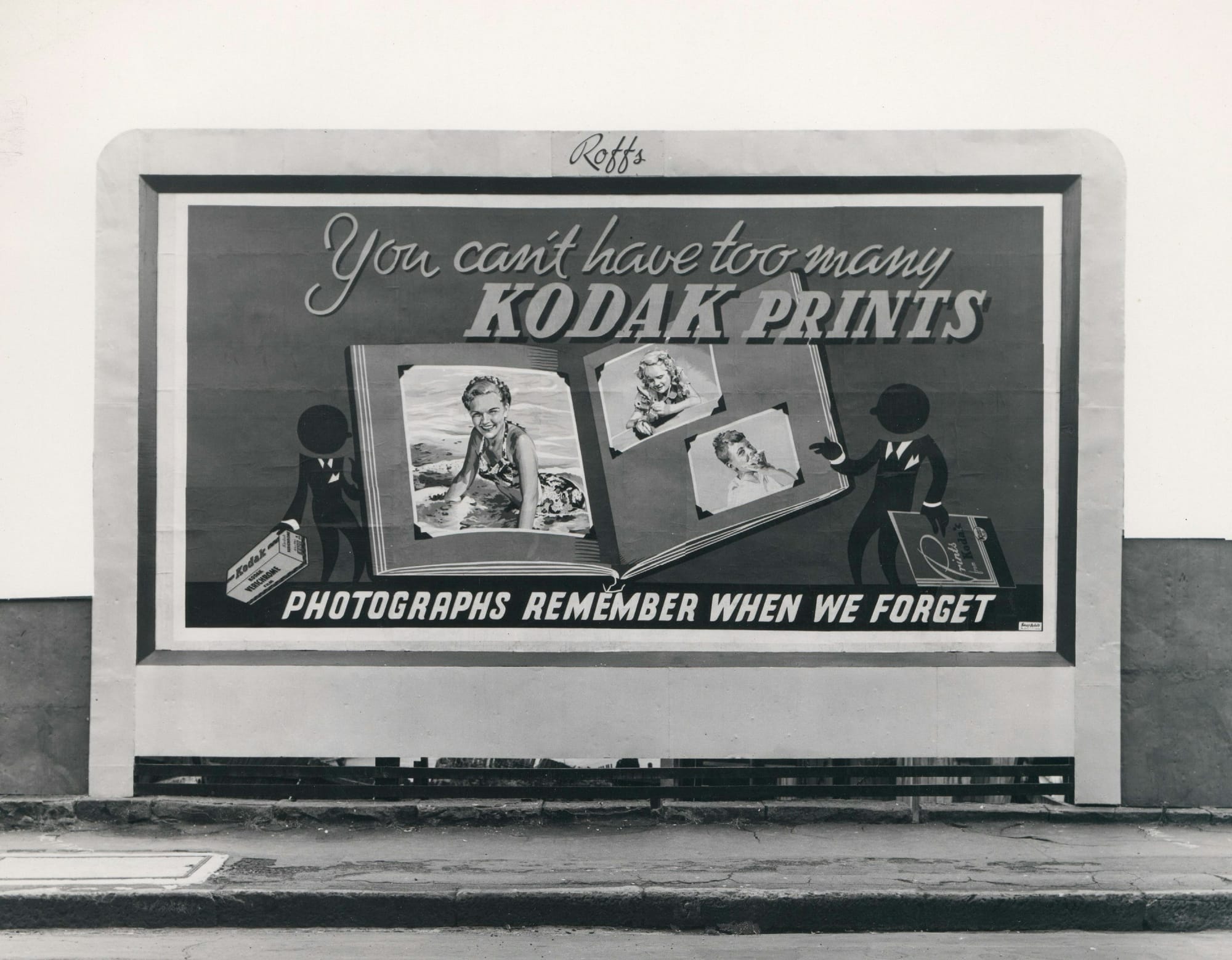
And when an industry stops making good enough products, or not different enough products, or both (like the ad industry has managed to), there’s only thing left to happen.
Disruption.
This too, is Economics 101.
So maybe, the ad industry shouldn't have consolidated in the first place.
To my fellow creatives, this is what happens when you let someone else set the price for your work. And yeah, the likes of Martin Sorrell definitely committed to the wrong big picture.
I don't really blame him though. Because all he did was follow the money, even if it meant side-lining creativity (the industry's only real asset to be honest), and give clients what they said they wanted. He did it brilliantly too.
But to quote Steve Jobs, "It's not the customer's job to know what they want."
And that's the first reason we're not a first-tier industry. Because we don't direct our clients. We conduct like vendors, and then wonder why we get treated as such.
Anyhow, moving on...
The Reality-cheque of the 2000s
Now, disruption, especially in highly consolidated industries, is always a good thing. It introduces new ways of thinking, new ways of working and sets new benchmarks. Usually, it also results in a higher overall bar.
Problem is, the first wave of the ad industry’s disruption didn’t come from within it. It came from tech companies. And they sought to disrupt just one vertical: distribution. The exact same silo we spent decades building. And the one silo we actually managed to make massive enough to support the rest of the industry. Yes, this silo was a stingy, annoying dad of sorts. But all the money that came in still stayed in the household.
The tech companies very quickly grasped that distribution is where the monies go, and if you own distribution, the monies come to you. So when the ad industry successfully put all its eggs in one poorly-guarded basket, all big tech had to do was steal it, in broad daylight at that.
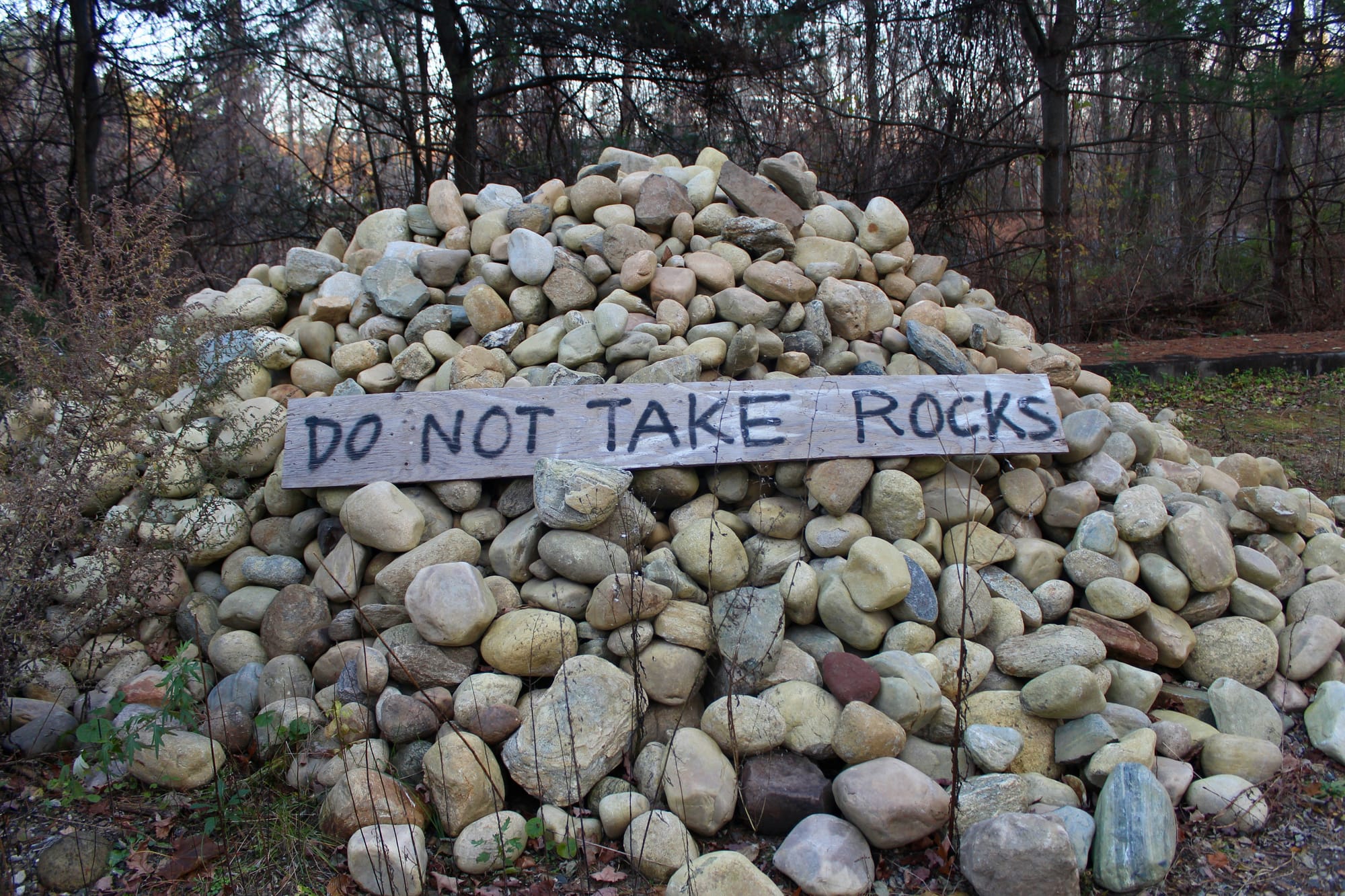
Cue, Google, Meta and well, Twitter/X.
Instead of tackling this disruption and existential threat head-on, the ad industry tried to work around it. To this end, we prioritized short-term goals over long-term security. Because well, we panicked.
Brand-building was the only real MOAT left. But that’s technically a niche-offering. And not a service smaller businesses can easily invest in. Not that they should either. You don’t really work on ‘who you are’ until you're sure that basics like food, shelter and clothing are well-covered. That’s Human Survival 101.
So the ad industry had only two real choices here.
- Become a premium-only industry. When your biggest lever of leverage is hijacked, the smart thing to do is double-down on the remaining levers, and make them more defensible. This is what the consulting industry did. Look where it got them.
- Try to extract the lost ‘income’ from whatever levers we still had any leverage over. Instead of defensibility, the strategy here is to squeeze remaining levers dry.
Guess what? We chose 2. And embraced extraction.
Now, the problem with an extraction economy is, it’s a literal race to the bottom. When you try to squeeze everything you can in the name of ‘survival’. You eventually end up having to survive for real. And that’s the current ad industry landscape. All the big networks, and the brilliant talent that’s now left/leaving them, are finally operating on survival stakes.

Our Lucky-ish Break, Still To Be Taken
Cut to 2026, the ad industry has a real opportunity to redeem itself. And it’s not because of anything we did.
The tech companies are shooting themselves in the foot right now by over investing into 'AI'. They think it’s the next big human invention and that it'll change our world.
That’s not happening. At least, not with LLMs. And anything close to the kind of change they expect is still at least 2 decades away (as far as I can see). Inventing new technology is one thing. Integrating it into millions of professional workflows around the world, and billions of ordinary lives, is another thing. And we don’t even have the technology, yet.
But also, the tech industry is seeing its own consolidation. And they’re fighting for relevance amongst themselves. Public sentiment towards them is far from favorable. So we do have a real chance. To rewrite rules, and tip the scale slightly in our favour. All the money they’re pouring into 'AI' is a long term bet. And in the short term, the only way for them to pad cash reserves is via advertising. So the more they focus on extracting from our clients, the better spot they put us in.
Gripe is, the ad industry today is the poorest its ever been. And it’s witnessing fragmentation on a level it never has before. We’re literally in a ‘let things play out, let’s just do what we can to survive’ phase. And that’s just a cycle of life.
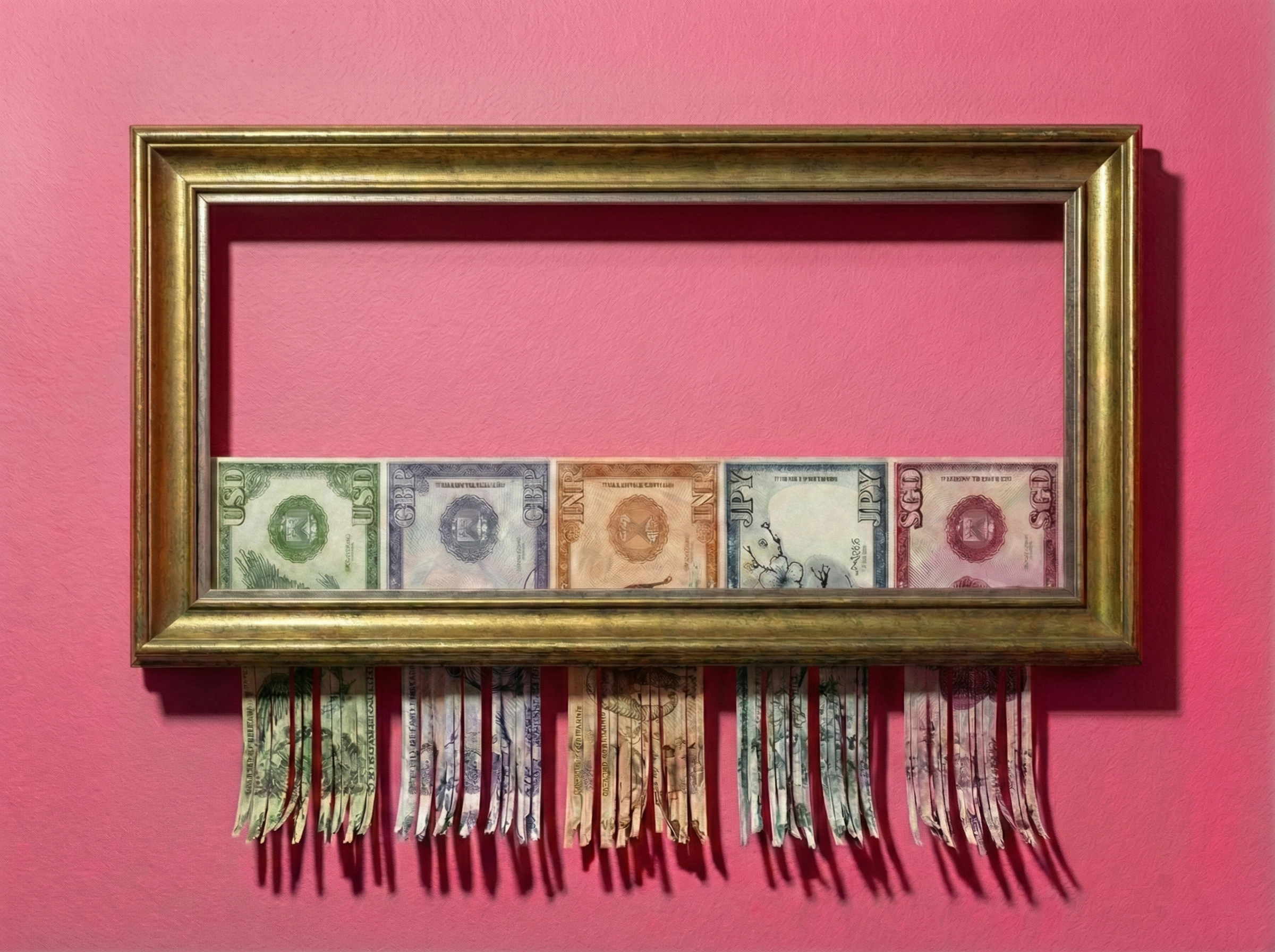
But, we’ve still been thrown a bone no-one intended for us to have. And our fragmentation could be turned into a real advantage. If enough independent agencies play it right.
Because, option 1 is still very viable for us. All we really need to do is remember that we’re in the identity business. In fact, advertising is the only industry in the identity business. It’s our fucking business.
And you can’t tell me identities aren’t important enough. It’s a core driver of our survival as a species. And it’s literally the one thing humans have fought over the MOST. We’re also the only species to fight over identity. And with unprecedented intensity at that. We literally built nuclear bombs to protect and disperse our identities. Advertising needs some of that gumption right now.
We need to build more brands. For the world. For ourselves. For the steady continuity of the human species (I’m not exaggerating here). Yeah, we’re in survival stakes right now. But we literally could be the most powerful industry on the planet. In less than 2 decades if we wanted. Because nobody gets identities like we do. And nothing pumps up the bottom line like a consistent, coherent brand identity does.
The Human Cost and Consequences
Advertising didn’t get to where it is today because of callousness, or ‘some unfortunate thing’. It got here because we let ourselves be led by non-visionaries and individuals who prioritized short-term gain over long-term equity. Despite knowing that long-term equity is far more profitable.
All the brilliant individuals leaving the industry is not helping it either. And while the industry weeps at its how it treats its clients right now, it’s far more anguished with how it can’t pay its best people enough to live the life they aspire to. It's a very real tragedy. One that's discouraging fresh talent from coming in.
And that’s also why the industry lowkey hates itself for how it advertises at the moment. 99% of advertising fed to the world right now is strongly repulsive. People can instantly see that the ad is looking to extract from them and not help them. Intent is binary.
And since we’re not dumb ourselves, we’re literally ashamed to look in the mirror. So, we cope by not taking ourselves seriously enough. But our clients can see through all this. And they treat us accordingly. It's another reason why we’re not first-tier. Yet.
What's left is an industry that has barely any credibility left. And the people who set in motion the decay of advertising years back, are the same ones making and delivering repulsive advertising today. I take part in this too, of course. It’s the only way I can continue to stay in advertising. And yes, I am doing what I can to change that (thank you for reading this Inset).
What our SUM should be
Reclaiming our expertise over identities is really the only thing that can save us, and the industry as a whole. There is another solution, which is to build trustworthy media platforms that steals back human attention from the tech companies. But, that’ll be us fighting a war on their turf. And a war like that is simply not viable with where the industry is right now.
Leaning into identities, our core strength, is a far better play for us. And if we get it right, we will be a first-tier industry before we know it.

Besides, look at how money moves across the world. A huge chunk of it still goes through advertising. Roughly 1% of the global GDP, ~1.14 trillion in 2025 is directly attributed to ad spend. But ads drive trillions in consumer spending, literally almost all of it. Entire industries would not exist, if not for the ad industry.
Structurally, we’re super crucial. And recession-proof, and an entity that the world simply can’t do without. We're the torchbearers of consumerism and capitalism’s best catalyst and accelerant. We literally make the world go around.
The ad industry needs to garner some courage and properly look into where our clients are spending money, and why they're spending it there. We need to intentionally put our clients' best interests first, instead of their preferences. Even if this means hurting them (and ourselves) in the short term. Because our clients need to trust us again. And yes, we do still have room to take a blow or two for the long game. But soon, we may not.
The status quo can only be reset if we step up and become real stewards of our clients' identities and budgets. We need to collectively play our cards right. And right now, timing and opportunity is with us.
So here’s to identities.
And making advertising great again. 🙂↕️
Because, tell me this;
What else would you do?